
Oil Contamination
Understanding Oil contamination
Oil contamination is the presence of unwanted substances in lubricating or hydraulic oil. These contaminants - solid particles, water, air, and chemical degradation products - interfere with lubrication, accelerate wear, and reduce system reliability.
Understanding how contamination forms and behaves is the first step toward protecting machinery and extending oil life.
How Oil Contamination Is Controlled
Understanding contamination is the first step. The next is knowing how it develops and how it can be managed.


Short and Long-Term Effects of Oil Contamination
Short-term effects
Long-term effects
Increased friction and energy loss
Reduced lubrication efficiency
Unstable oil performance
Higher operating temperatures
Accelerated component wear
Shortened oil lifetime
Sludge and varnish formation
Increased risk of failure
Contamination damage is often gradual and cumulative - making it difficult to detect until performance drops or failures occur.
Why Oil Contamination Is a Critical Technical Issue
Oil is rarely contaminated from a single source. Most systems are continuously exposed to particles, moisture, air, and chemical degradation.
Studies across industries consistently show that a large share of premature component failures are directly linked to contamination.

Solid particles
Metal wear debris, dust, sand, fibers, and oxidation residues circulate with the oil. Hard particles can enter small clearances and cause abrasive wear, surface fatigue, and increased friction.
Water
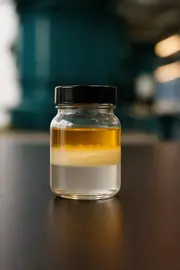
Water may enter through condensation, leaking seals, or process exposure. Even small amounts reduce lubrication strength, promote corrosion, and accelerate chemical degradation.

Oil degradation
As oil ages, oxidation products, acids, and sludge form. These by-products attack metal surfaces, seals, and coatings, while restricting flow and heat transfer.
These contaminants rarely act alone - together they accelerate wear, oil ageing, and system failure.

Clean Oil Is Not a Recommendation.
It Is a Reliability Strategy.
Understand contamination mechanisms, ISO codes, water control, and how to extend oil and component lifetime.

How Oil Contamination Affects Machinery
Solid Particles and Abrasive Wear:
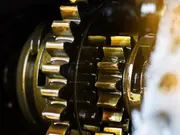
Hard particles circulate with the oil and become trapped between moving surfaces. Even particles smaller than the eye can see cause abrasive wear, surface fatigue, and increased clearances - reducing efficiency and component life.
Water contamination and corrosion
Water reduces lubrication film strength and promotes corrosion. In rolling bearings and high-pressure zones, water droplets collapse under load, causing micro-pitting and surface fatigue over time.
Oil degradation and chemical attack:
As oil degrades, oxidation products and acids form. These by-products attack metal surfaces, seals, and coatings, while also increasing varnish formation and sludge buildup - restricting flow and heat transfer.
What Is Oil Contamination?
Oil contamination refers to any unwanted substance present in lubricating or hydralic oil that reduces its ability to protect and lubricate machinery.
Contamination can be:
- Solid particles (Metal, dust, wear debris)
- Liquids (water, process fluids)
- Chemical by-products (oxidation products, acids)
Contamination damage is often slow and cumulative - developing over time until performance declines or failure occurs.
Where Does Oil Contamination Originate?
Contamination may already be present in new oil, or it may enter during operation through:
- Breathers and ventilation systems
- Worn seals and gaskets
- Condensation due to temperature changes
- Internal wear of pumps, valves, bearings, and gears
- Oxygen exposure and thermal stress
Because contamination is continuously generated, one-time cleanup is rarely sufficient. Ongoing contamination control is required to maintain stable oil quality.
Why Contamination Control Matters
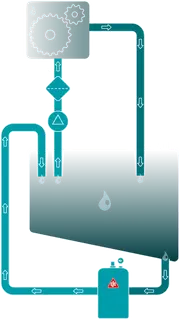
Effective contamination control is not about reacting to failures - it is about preventing them.
By keeping contamination levels consistently low:
Reduce wear rates
Extend oil service life
Maintain stable operating conditions
Improve equipment reliability
Clean oil supports predictable performance and protects critical system components.

Clean Oil Means Reliable Machines
Understanding contamination is the foundation of effective oil maintenance.
With the right monitoring and filtration approach, contamination can be controlled before it leads to performance loss.