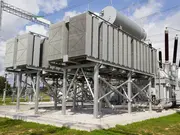
Improve transformer reliability with clean, dry insulating oil
Transformer oil is essential for safe and efficient transformer operation. It insulates windings, transfers heat, and protects the paper insulation from chemical ageing. When moisture, acids, and particles enter the oil, its dielectric strength drops and the risk of partial discharge, arcing, and thermal hotspots increases. Even small contamination levels can influence transformer stability and lead to accelerated component wear. Modern power networks place high demands on insulating oil, making clean and dry oil a key requirement for stable performance.
As transformers breathe during load changes, moisture ingress and oxidation occur naturally. Over time this degrades the oil, increases acidity, and produces sludge that restricts heat transfer. If left untreated, oil degradation raises failure probability and increases downtime and maintenance cost. Continuous offline filtration restores and maintains oil condition by removing water, acids, and particles. This stabilises dielectric strength, extends oil life, and provides maintenance managers with predictable, low-touch reliability without interrupting transformer operation.
Why Transformer Oil Deteriorates, and Why It Matters
Steam and gas turbines operate under different conditions, but both expose lube oil to contamination that cannot be prevented by design alone.

Moisture reduces dielectric strength
Moisture enters through breathing and insulation ageing. Even small increases drastically lower breakdown voltage and raise the risk of partial discharge.
Oxidation forms acids and sludge
Heat and oxygen break down the oil, creating acids that age paper insulation and sludge that reduces cooling efficiency.
Particles weaken insulation performance
Wear particles, fibres, and carbon residues create conductive paths, reducing insulation strength and increasing hotspots.
Degraded oil drives failures and higher cost
As oil quality declines, transformers run hotter, age faster, and experience more unplanned outages, increasing maintenance and operational risk.
When transformer oil deteriorates, dielectric strength drops and failure risk rises. Clean, dry oil reduces this risk, stabilises operation, and extends both oil and insulation life.

How it works
CJC® Offline Filters work in a separate circuit, continuously conditioning the oil without affecting system pressure or turbine operation.
How the Offline Filtration Principle Works
How CJC® Offline Filtration Stabilizes Transformer Oil
Higher dielectric strength
Cleaner, drier transformer oil improves its insulating properties, reducing the risk of electrical stress and ensuring safer, more reliable system performance
Extended insulation lifetime
By protecting both oil and paper insulation from moisture and degradation, you significantly slow aging and extend the service life of critical transformer components
Fewer unplanned outages
Stable oil conditions reduce failure modes linked to moisture, acids, and particle contamination, leading to more predictable maintenance and fewer costly interruptions
Lower operating cost
Longer asset life, fewer failures, and optimized oil maintenance reduce total cost of ownership while improving the overall efficiency of your transformer operations.
Key Turbine Systems That Depend on Clean Lube Oil

Power Transformers
Challenge: Moisture, acids, and particle contamination lower dielectric strength and accelerate insulation ageing.
Result: Higher breakdown voltage, cleaner oil, and more stable transformer operation with reduced ageing rate
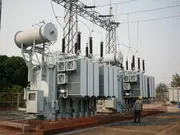
On-Load Tap Changers (OLTC)
Challenge: Switching operations generate carbon particles and sludge that reduce reliability and increase wear on contacts.
Result: Significant reduction in carbon contamination and improved mechanical reliability of the tap changer mechanism.

Distribution Transformers
Challenge: Moisture ingress and oxidation products reduce oil life and increase the risk of partial discharge.
Result: Cleaner and drier oil, extended oil service life, and fewer moisture-related service interventions.
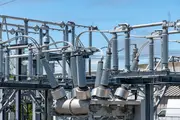
High-Voltage Bushings
Challenge: Moisture and fine contaminants lower insulation performance and raise the risk of internal discharge.
Result: Improved insulating properties and more stable long-term dielectric performance.
Documented Performance in Real Turbine Systems
Moisture significantly reduced
A transformer oil system showed a marked improvement in breakdown voltage after continuous offline filtration lowered dissolved water from high ppm levels to a stable low range.
Improved cleanliness and fewer discharge events
Depth filtration removed a broad range of particles, resulting in more stable dielectric performance and a reduced rate of partial-discharge indications during monitoring.
Slower oil ageing and extended service intervals
Oxidation residues and acidic compounds were reduced, allowing the operator to extend oil service intervals and postpone an oil replacement.
Predictable operation and fewer corrective tasks
Consistent oil conditioning reduced unplanned maintenance linked to moisture-related alarms and contamination-driven faults in tap changers and auxiliary equipment.
Improve transformer reliability with clean, stable insulating oil
Keeping transformer oil dry, clean, and chemically stable reduces dielectric failures, slows insulation ageing, and lowers the long-term cost of maintaining critical assets. With CJC® offline filtration, you gain predictable performance and fewer oil-related interventions.
No obligation, we start with an oil condition review to identify the right solution.
Transformer oil
Improve transformer reliability with clean, dry insulating oil
Transformer oil is essential for safe and efficient transformer operation. It insulates windings, transfers heat, and protects the paper insulation from chemical ageing. When moisture, acids, and particles enter the oil, its dielectric strength drops and the risk of partial discharge, arcing, and thermal hotspots increases. Even small contamination levels can influence transformer stability and lead to accelerated component wear. Modern power networks place high demands on insulating oil, making clean and dry oil a key requirement for stable performance.
As transformers breathe during load changes, moisture ingress and oxidation occur naturally. Over time this degrades the oil, increases acidity, and produces sludge that restricts heat transfer. If left untreated, oil degradation raises failure probability and increases downtime and maintenance cost. Continuous offline filtration restores and maintains oil condition by removing water, acids, and particles. This stabilises dielectric strength, extends oil life, and provides maintenance managers with predictable, low-touch reliability without interrupting transformer operation.
Why transformer oil deteriorates and why it matters
Steam and gas turbines operate under different conditions, but both expose lube oil to contamination that cannot be prevented by design alone.

Moisture reduces dielectric strength
Moisture enters through breathing and insulation ageing. Even small increases drastically lower breakdown voltage and raise the risk of partial discharge.

Oxidation forms acids and sludge
Heat and oxygen break down the oil, creating acids that age paper insulation and sludge that reduces cooling efficiency.

Particles weaken insulation performance
Wear particles, fibres, and carbon residues create conductive paths, reducing insulation strength and increasing hotspots.

Degraded oil drives failures and higher cost
As oil quality declines, transformers run hotter, age faster, and experience more unplanned outages, increasing maintenance and operational risk.
Centrifugal Separator
|
CJC® Filtration
| |
|---|---|---|
Energy Consumption
|
High (heating + rotating bowl)
|
Low (3% compared to Centrifuge)
|
Maintenance
|
Daily supervision required
|
Minimal, periodic filter change
|
Waste Generation
|
Several tonnes of sludge annually
|
Dry filter element only
|
Heating |
Required | None require |
CO₂ Impact
|
High (energy intensive)
|
Low (97% reduction)
|
Compliance |
Adds to CII |
Up to 2% CII improvement |

How it works
How CJC® offline filtration stabilizes transformer oil

Higher dielectric strength
Cleaner, drier transformer oil improves its insulating properties, reducing the risk of electrical stress and ensuring safer, more reliable system performance.

Extended insulation lifetime
By protecting both oil and paper insulation from moisture and degradation, you significantly slow aging and extend the service life of critical transformer components

Fewer unplanned outages
Stable oil conditions reduce failure modes linked to moisture, acids, and particle contamination, leading to more predictable maintenance and fewer costly interruptions.

Lower operating cost
Longer asset life, fewer failures, and optimized oil maintenance reduce total cost of ownership while improving the overall efficiency of your transformer operations.
Clean Oil Is Not a Recommendation.
It Is a Reliability Strategy.
Understand contamination mechanisms, ISO codes, water control, and how to extend oil and component lifetime.

Key turbine systems that depends on clean lube oil
Power transformers
Challenge: Moisture, acids, and particle contamination lower dielectric strength and accelerate insulation ageing.
Result: Higher breakdown voltage, cleaner oil, and more stable transformer operation with reduced ageing rate.
On-load tap changers (OLTC)
Challenge: Switching operations generate carbon particles and sludge that reduce reliability and increase wear on contacts.
Result: Significant reduction in carbon contamination and improved mechanical reliability of the tap changer mechanism.
Distribution transformers
Challenge: Moisture ingress and oxidation products reduce oil life and increase the risk of partial discharge.
Result: Cleaner and drier oil, extended oil service life, and fewer moisture-related service interventions.
High voltage bushings
Challenge: Moisture and fine contaminants lower insulation performance and raise the risk of internal discharge.
Result: Improved insulating properties and more stable long-term dielectric performance.
Documented performance in real turbine systems

Moisture significantly reduced
A transformer oil system showed a marked improvement in breakdown voltage after continuous offline filtration lowered dissolved water from high ppm levels to a stable low range.

Improved cleanliness and fewer discharge events
Depth filtration removed a broad range of particles, resulting in more stable dielectric performance and a reduced rate of partial-discharge indications during monitoring.

Slower oil ageing and extended service intervals
Oxidation residues and acidic compounds were reduced, allowing the operator to extend oil service intervals and postpone an oil replacement.

Predictable operation and fewer corrective tasks
Consistent oil conditioning reduced unplanned maintenance linked to moisture-related alarms and contamination-driven faults in tap changers and auxiliary equipment.
Improve Gearbox Reliability with Clean Oil
Clean gear oil is one of the easiest and most cost-effective ways to extend gearbox life, reduce downtime and keep operations running predictably. Start with an oil condition review and a practical filtration strategy tailored to your system.
No obligation, we start with a condition review and clear recommendations.