
Reliable Turbine Performance Starts With Clean Turbine Lube Oil
Steam and gas turbines depend on stable lubrication to protect bearings, shafts, gears, and control systems under continuous load. Their lube oil systems operate with high oil volumes, long residence times, and constant exposure to air and humidity. Over time, water from condensation or steam ingress, particles released from bearings and gears, and oxidation residues from high operating temperatures all accumulate in the oil. Even small increases in water or ISO particle levels can weaken the lubrication film, raise bearing temperatures, and disturb the hydraulic stability of the control system.
In steam turbines, moisture and temperature cycling accelerate water ingress and oxidation, increasing the likelihood of corrosion and varnish formation. In gas turbines, high thermal stress promotes rapid additive breakdown and varnish deposits in servo valves and bearings. Across both turbine types, the result is the same: unstable oil condition, more alarms from the lube system, and a higher risk of forced outages.
Inline filters cannot remove oxidation residues or fine particles, and oil changes only offer a temporary reset. As soon as the turbine restarts, new contamination is generated. Over time, this leads to increased wear rates and reduced confidence in the lubrication system’s ability to support safe, reliable operation.
CJC® Offline Filtration works in a separate circuit to continuously remove particles, water, and sludge from turbine lube oil without disturbing system pressure. The depth filter captures oxidation products and varnish precursors, helping the oil remain chemically and mechanically stable over long periods. This results in consistent bearing temperatures, smoother servo-valve response, and a slower progression of mechanical wear.
For both steam and gas turbine operators, clean lube oil is a key factor in maintaining high availability and avoiding costly lubrication-related trips.
Why Turbine Lube Oil Deteriorates, and Why It Matters
Steam and gas turbines operate under different conditions, but both expose lube oil to contamination that cannot be prevented by design alone.

Water ingress in steam turbines increases bearing risk
Steam leakage and condensation introduce water that weakens the lubrication film, increases corrosion, and raises the likelihood of bearing temperature deviations.
Thermal stress in gas turbines accelerates oxidation
High oil temperatures break down additives and generate oxidation residues that trigger sludge formation, varnish, and control instability.
Particles accumulate and drive wear across both turbine types
Wear metals, rust, and airborne debris stay in circulation, increasing abrasion on bearings, pumps, and servo mechanisms.
Oxidation residues disturb control stability
Varnish precursors deposit on valve surfaces and internal passages, leading to sticking servo valves, sluggish response, and more control-related alarms
Centrifugal Separator
|
CJC® Filtration
| |
|---|---|---|
Energy Consumption
|
High (heating + rotating bowl)
|
Low (3% compared to Centrifuge)
|
Maintenance
|
Daily supervision required
|
Minimal, periodic filter change
|
Waste Generation
|
Several tonnes of sludge annually
|
Dry filter element only
|
Heating |
Required | None require |
CO₂ Impact
|
High (energy intensive)
|
Low (97% reduction)
|
Compliance |
Adds to CII |
Up to 2% CII improvement |
How it works
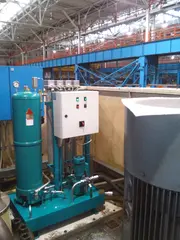
CJC® Offline Filters work in a separate circuit, continuously conditioning the oil without affecting system pressure or turbine operation.
Outcome for maintenance teams
Lower bearing risk
Clean oil reduces oxidation and removes wear particles that damage bearings. This helps prevent trips, stabilizes operation, and extends the time between oil changes
Longer oil life
Removing fine contaminants slows oxidation and thermal degradation, extending oil life by 2–5× in documented turbine cases. This supports stable operation between service intervals.
More predictable valve performance
Consistently clean oil minimizes friction, sticking and varnish buildup. This ensures smoother valve movement and reduces control deviations over time.
Higher availability
Clean oil reduces corrective maintenance, extends component life and minimizes repair tasks. Your team spends less time reacting -and more time planning - while operating costs stay lower
Why Turbine Lube Oil Deteriorates, and Why It Matters
Steam and gas turbines operate under different conditions, but both expose lube oil to contamination that cannot be prevented by design alone.

Water ingress in steam turbines increases bearing risk
Steam leakage and condensation introduce water that weakens the lubrication film, increases corrosion, and raises the likelihood of bearing temperature deviations.

Thermal stress in gas turbines accelerates oxidation

Particles accumulate and drive wear across both turbine types

Oxidation residues disturb control stability
Once the lubrication system becomes chemically unstable, operators face more unplanned maintenance, higher oil consumption, and increased risk of a lube-oil-related trip.
Clean and dry oil significantly reduces this risk, extending oil life and improving component reliability.
How CJC® Offline Filtration Stabilizes Turbine Lube Oil
How the Offline Principle Works

Key Turbine Systems That Depend on Clean Lube Oil
Main Bearings
Challenge: Water ingress and fine wear particles reduce film strength and increase bearing temperature
Result: Stable ISO cleanliness, lower water content, and more consistent bearing temperatures.

Thrust Bearings
Challenge: High axial loads make these bearings sensitive to both water and oxidation residues.
Result: Cleaner oil improves load-carrying capability and reduces the risk of accelerated wear.

Control Oil / Servo Valve Circuits
Challenge: Oxidation residues and varnish cause sticking valves and slow actuator response.
Result: Fewer control alarms, smoother valve movement, and more predictable turbine regulation.

Turning Gear / Auxiliary Gear Systems
Challenge: Wear particles and moisture accumulate during frequent starts and stops.
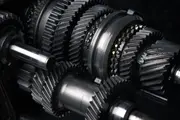
Result: Reduced abrasion and more stable gear operation over long lubrication intervals.
Documented Performance in Real Turbine Systems
Varnish Reduction in Gas Turbine Lube Oil
A combined-cycle plant operating a GE 9FA turbine saw its lube oil MPC drop from 44 to 8 in six months using a CJC® VRU.
This restored stable valve behaviour and prevented a costly oil change.
Cleaner Control Oil for Reliable Servo Valve Response
Hydraulic control systems exposed to oxidation residues and small tolerances benefit from CJC® filtration.
Case documentation shows reduced sticking valves and more predictable control system performance.
Clean, Dry Oil in Steam Turbine Lube Systems
Multiple steam turbine installations document effective water removal and long filter insert life.
Plants reported fewer lubrication-related alarms and improved operational stability.
Long-Term Oil Life Extension Across Power Applications
CJC® depth filtration has extended oil life by a factor of 3–4 in comparable power-plant lubrication systems by removing particles, water and oxidation byproducts.
This reduces maintenance hours and supports higher turbine availability.
Improve Turbine Reliability With Clean Lube Oil
Clean turbine lube oil reduces wear, stabilises bearings, and prevents control-related trips.
No obligation. We start with an oil condition review to identify your improvement potential.
Diesel fuel
Reliable diesel starts with clean, water-free fuel
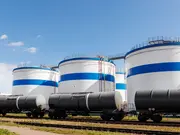
Diesel systems rely on consistent fuel quality to operate safely and efficiently. Even small amount of water, particles or microbial growth can destabilise diesel, increasing wear on injectors and pumps and cause unexpected filter plugging. These issues reduce reliability and lead to higher maintenance costs, especially in operations with varying fuel deliveries or long storage times.
CJC® Diesel Fuel Filtration prevents these problems by continuously removing water, sludge, oxidation residues and fine particles from the entire fuel volume. This stabilises diesel quality, keeps tanks and fuel loops clean and reduces the risk of unplanned stoppages. The result is dependable engine performance, longer component life and predictable operating conditions across your fleet or facility.
Why diesel contamination creates real operational risk
Contamination in stored or supplied diesel quickly affects fuel stability, increases wear on injectors and pumps, and raises the risk of unplanned downtime.

Water in diesel reduces lubricity and promotes corrosion
Condensation and poor deliveries introduce water that damages injectors, accelerates corrosion and destabilises fuel, especially biodiesel blends.

Particles and sludge block filters and increase wear
Rust, tank scale and degraded fuel components clog filters and cause abrasive wear in high-pressure systems, reducing efficiency and increasing maintenance.

Microbial growth rapidly degrades stored diesel
Bacteria and fungi thrive where water is present, forming acids and sludge that block filters and foul tanks, creating start-up problems and instability.

Fuel oxidation leads to deposits and unstable combustion
Diesel naturally oxidises, forming gums and deposits that lead to poor combustion, injector fouling and reduced engine reliability.
Centrifugal Separator
|
CJC® Filtration
| |
|---|---|---|
Energy Consumption
|
High (heating + rotating bowl)
|
Low (3% compared to Centrifuge)
|
Maintenance
|
Daily supervision required
|
Minimal, periodic filter change
|
Waste Generation
|
Several tonnes of sludge annually
|
Dry filter element only
|
Heating |
Required | None require |
CO₂ Impact
|
High (energy intensive)
|
Low (97% reduction)
|
Compliance |
Adds to CII |
Up to 2% CII improvement |
How the offline principle works
Operational outcome

Stable, clean diesel in bulk and day tanks
Removes particles, water and biological contamination to keep diesel stable in storage and use.

Longer component and fuel life
Limits abrasive wear and corrosion, extending fuel and component service life.

Fewer filter blockages and injector-related failures
Consistently clean oil minimizes friction, sticking and varnish buildup. This ensures smoother valve movement and reduces control deviations over time.

More predictable performance and lower maintenance effort
Stable fuel quality supports reliable operation and fewer unplanned interventions.
Clean Oil Is Not a Recommendation.
It Is a Reliability Strategy.
Understand contamination mechanisms, ISO codes, water control, and how to extend oil and component lifetime.

Key turbine systems that depend on clean lube oil
Bulk and day storage tanks
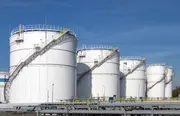
Challenge: Condensation, temperature shifts and long storage periods lead to water buildup, microbial activity and sludge formation.
Result: Continuous polishing keeps water low, prevents diesel bug and maintains stable fuel quality throughout the tank.

Standby and emergency generators
Challenge: Infrequent operation allows oxidation, microbial growth and settled contaminants to build up unnoticed, raising the risk of start-up failure.
Result: Clean, dry diesel supports reliable ignition and stable combustion when generators are called into service.

Mobile machinery and heavy-duty equipment
Challenge: Variable fuel supply conditions, vibration and dusty environments introduce particles and water that accelerate injector and pump wear.
Result: Cleaner fuel reduces unexpected stoppages, extends component life and improves operational consistency.

Marine and offshore diesel systems
Challenge: Humidity, temperature swings and long storage times promote water accumulation and microbial growth in onboard tanks.
Result: Continuous conditioning keeps fuel dry and particle-free, improving engine reliability and reducing filter consumption at sea.
Documented performance in real turbine systems

Significantly cleaner fuel and lower particle loads
Inline filters alone often cannot control fine particles. Continuous offline filtration has documented reductions of up to 87 percent in particle levels, improving fuel cleanliness from heavily contaminated conditions (e.g., ISO 20/19/16) to stability levels such as ISO 17/16/13.
Reduced wear on injectors, pumps and valves
Clean, dry diesel minimises blasting wear, corrosion and micro-pitting. Systems treated with offline filtration have achieved recommended cleanliness levels such as ISO 16/14/11, helping protect tight-tolerance components and improving combustion stability.

Restored fuel quality without costly disposal
When water, sludge or microbial growth increase, diesel is often replaced. Continuous fuel polishing removes water, sludge and microbial residues in one process, restoring fuel quality and enabling reuse instead of disposal.

More reliable start-up performance for standby equipment
Generators and other standby systems often fail due to water, sludge or microbial contamination. Continuous polishing prevents prevents these issues and helps ensure clean, stable fuel is always available when equipment is called upon.
Need help choosing the right solution?
Our team supports you by considering your equipment,
operating environment and the goals you have for uptime and efficiency.
Let’s discuss what it means for your performance.