
MATCH THE FILTRATION TO THE OIL
Industrial Oil Filtration by Oil Type
Different industrial oils fail in different ways, so each needs a matched filtration setup. CJC® offline filtration removes the particles, water, acidity, and oxidation products that threaten hydraulic, gear, turbine, lube, transformer, diesel, quench, phosphate ester, and EAL oils, keeping each oil clean, dry, and stable and extending its life three to four times.
Cleaner oil. More reliable equipment.
Oil condition directly affects equipment reliability, maintenance costs and component life. Explore how contamination causes wear, why clean oil matters and how CJC® off-line filtration protects critical systems.
Choose your oil. Target the real problem.
Different oils face different contamination challenges. Whether it is water in your hydraulic oil, wear particles in your gearbox, or sludge in your turbine lube system, the right filtration setup keeps your process running and your oil fit for use year after year.
Each oil type has its own weak points and best-fit CJC solution pattern. Select your oil type below to see common failure modes, proven results, and recommended filters.



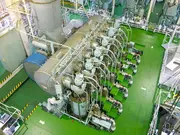
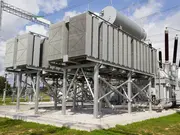
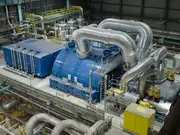


Key Challenges in Oil

Particles in Oil
Hard particles from wear, dust, or new oil accelerate surface damage and block narrow oil passages. Even microscopic debris doubles or triples wear rates.
Result: Pump and valve wear, scoring, loss of precision, and system failures.
CJC Solution: CJC Fine Filter Units remove particles down to below one micron, maintaining ISO cleanliness levels that exceed OEM targets.

Oxidation and Sludge
Over time, heat and oxygen react with oil to form sticky oxidation products and sludge. These deposits settle in tanks, block filters, and create varnish films on components.
Result: Restricted flow, increased friction, overheating, and reduced efficiency.
CJC Solution: Continuous depth filtration removes oxidation residues and varnish precursors, keeping oil clean and free-flowing.

Water in Oil
Water enters through condensation, leaks, or process exposure. It reduces lubricity, accelerates corrosion, and promotes oxidation and sludge formation.
Result: Rust, sticky valves, cavitation, and reduced bearing life.
CJC Solution: CJC PTU Water Removal Units or Desorbers remove both free and dissolved water, keeping the oil dry and stable.

Acidity and Degradation
Oxidation, thermal stress, or chemical reactions (especially in phosphate ester oils) create acids that attack metals and seals.
Result: Corrosion, loss of additive performance, and shorter oil service life.
CJC Solution: CJC depth filters absorb acids and prevent further chemical breakdown, extending both oil and component life.
Frequently asked questions about oil filtration by oil type
Which oil types can CJC® filtration handle?
CJC® offline filtration covers hydraulic, gear, turbine, engine lube, transformer, phosphate ester, diesel, quench, and environmentally acceptable (EAL) oils.
How much longer does filtered oil last?
CJC® filtration typically extends oil life three to four times, while reducing downtime and saving both oil and components.
What are the main contamination problems in industrial oil?
The four recurring problems are solid particles, oxidation and sludge, water, and acidity, each of which CJC® depth filtration is designed to address.
How do I choose the right filter for my oil type?
Start from the oil type and its typical failure mode, then match it to the recommended CJC® unit. Each oil-type page lists common failure modes, proven results, and recommended filters.
What types of oil filtration are there?
The main types of oil filtration are inline filtration built into the system and offline, or kidney-loop, filtration that runs in a separate circuit. CJC® uses offline depth filtration, which keeps cleaning even during shutdown and captures the fine contaminants inline filters leave behind.
Need help choosing the right solution?
Our team supports you by considering your equipment,
operating environment and the goals you have for uptime and efficiency.
Let’s discuss what it means for your performance.
