
How the Oil Filter Works
Oil filter Explained
Understanding how an oil filter works is essential for maintaining clean and reliable oil systems. In industrial applications, oil contamination develops continuously during operation, and effective filtration is critical to prevent wear, failures, and unplanned downtime.
The CJC oil filter is designed for continuous offline oil filtration, ensuring particles, water, and oil degradation products are removed under stable conditions - without interrupting system operation.

Why Oil Filtration Matters in Operating Systems
Even when new oil is filled under controlled conditions, contamination begins as soon as the system is running.
Mechanical wear, ingress of water, and oil degradation are unavoidable processes in all oil-lubricated machinery.
Without effective filtration:



Over time, this contamination accelerates wear and leads to reduced reliability, higher maintenance costs, and shortened oil lifetime.
How an Oil Filter Works in an Offline Filtration System

Oil extraction from the reservoir
Oil is drawn from the lowest point of the oil tank, where contamination such as particles and water naturally accumulate.

Retention of contaminants
The filter insert retains:
- Solid particles across a wide size range
- Water
- Oil degradation and oxidation products

Controlled oil flow through the filter
The oil passes through the CJC oil filter under constant flow and pressure, optimised for deep filtration.

Return of clean, dry oil
Cleaned oil is returned to the system, stabilising oil condition continuously.
How an Oil Filter Works in an Offline Filtration System
Solid Particles and Abrasive Wear:
Solid particles are transported with the oil flow and become trapped between moving metal surfaces. These particles are often similar in size to the clearances inside bearings, pumps, and valves. Once wedged between components, they damage metal surfaces and generate millions of new particles - creating a self-reinforcing wear process.
Oil Degradation and Varnish Formation:
As oil degrades due to heat, pressure, and contamination, oxidation by-products form. These degradation products can dissolve in warm oil but later precipitate as varnish on cooler surfaces. Varnish creates sticky layers that trap particles, forming a sandpaper-like surface that dramatically increases wear and can cause valves to stick or seize.
Water Contamination and Micro-Pitting:
Water is another major threat to oil systems. Even small amounts reduce lubricity and load-carrying capacity. Under high pressure - such as in bearings and gears, water droplets collapse, causing micro-pitting on metal surfaces. Over time, this leads to corrosion, fatigue, and premature component failure.
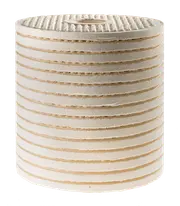
The Role of the Filter Insert
The filter insert is the core of how the oil filter works.
CJC filter inserts are designed with:
- Deep filtration media
- High dirt-holding capacity
- Consistent density across the filter surface
This design enables the removal of very fine particles while maintaining stable flow rates. Unlike surface filters that clog quickly, deep filtration allows contaminants to be distributed throughout the insert, extending service life and ensuring reliable performance.

Benefits of Proper Oil Filtration and Maintenance
When the filter works as intended and filter inserts are replaced on time, the benefits are measurable:
✓ Avoidance of unplanned system breakdowns
✓ Reduced wear on critical components
✓ Lower oil consumption and extended oil lifetime
✓ Reduced maintenance workload
✓ Increased operational productivity
✓ Lower CO2 footprint
Effective oil filtration is not only about protecting equipment — it is about creating stable operating conditions and predictable maintenance planning.

Clean Oil Means Reliable Machines
Understanding how an oil filter works highlights why continuous offline filtration is considered best practice in critical oil systems.
Need guidance on filter selection or maintenance?
