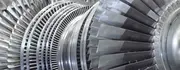
Oxidation & Varnish Removal
Oxidation of oil leads to sludge and varnish deposits that reduce reliability and shorten equipment lifetime. Continuous removal stabilises oil condition and system performance.
WHY OXIDATION & VARNISH REMOVAL MATTERS
Oil naturally degrades over time due to heat, oxygen, pressure, and operating conditions.
As oxidation progresses, degradation products form and accumulate in the oil system.
These products can negatively affect both lubrication and hydraulic performance, even when particle cleanliness appears acceptable.
- Formation of sludge, varnish, and resin
- Sticking or blocked valves
- Increased oil viscosity and reduced cooling
- Corrosion and deposits on metal surfaces
If not removed, oxidation products can lead to unplanned production stops and reduced machine reliability.
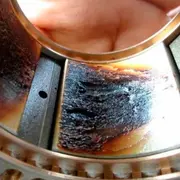
What is oxidation of oil?
Oxidation is a chemical ageing process where oxygen reacts with the oil during operation.
Forms Acid
Increased acidity and polymerization

Create varnish
Increase risk of varnish deposits

Accelerates aging
Accelerates oil ageing and degradation
Oxidation products may circulate in the oil or deposit on surfaces, causing operational problems long before the oil is changed.

Clean Oil Is Not a Recommendation.
It Is a Reliability Strategy.
Understand contamination mechanisms, ISO codes, water control, and how to extend oil and component lifetime.

How oxidation and varnish removal works
Oxidation and varnish removal is performed using offline (kidney-loop) filtration, operating independently of the main oil flow.

Oil is diverted
A small portion of oil is continuously taken from the system.

Slow filtration
Oil flows slowly through the filter to maximise contact time.

Degradation products are captured
Oxidation by-products, sludge and varnish are retained in the filter media.

Stabilised oil returns
Cleaned oil is returned to the system without interrupting operation.
Continuous removal slows further oxidation and stabilises oil condition.
Proven technology. Measurable performance.
Benefits of oxidation & varnish removal
Extends oil lifetime
Reduces varnish and sludge deposits
Improves system reliability
Protects valves and sensitive components
Reduces maintenance and oil replacement costs
Oxidation control in practice
Hydraulic systems
Lubrication systems
Turbines and compressors
Injection moulding machines
Offshore, marine, wind, mining, and industrial applications
How an Oil Filter Works in an Offline Filtration System
Solid Particles and Abrasive Wear:
Solid particles are transported with the oil flow and become trapped between moving metal surfaces. These particles are often similar in size to the clearances inside bearings, pumps, and valves. Once wedged between components, they damage metal surfaces and generate millions of new particles - creating a self-reinforcing wear process.
Oil Degradation and Varnish Formation:
As oil degrades due to heat, pressure, and contamination, oxidation by-products form. These degradation products can dissolve in warm oil but later precipitate as varnish on cooler surfaces. Varnish creates sticky layers that trap particles, forming a sandpaper-like surface that dramatically increases wear and can cause valves to stick or seize.
Water Contamination and Micro-Pitting:
Water is another major threat to oil systems. Even small amounts reduce lubricity and load-carrying capacity. Under high pressure - such as in bearings and gears, water droplets collapse, causing micro-pitting on metal surfaces. Over time, this leads to corrosion, fatigue, and premature component failure.
Part of the Clean Oil approach
Oxidation and varnish removal is one element of a complete clean oil strategy.
Fine particle filtration
Protects critical components by removing damaging particles before failures occur
Water removal from oil
Eliminates free and dissolved water to prevent corrosion and degradation.
it ensures optimal oil condition, maximum equipment protection, and long-term system reliability
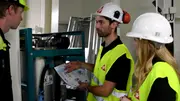
Oxidation control solutions from C.C.JENSEN
C.C.JENSEN provides offline filtration solutions designed to remove oxidation products, sludge, and varnish without removing active oil additives.
These solutions help stabilise oil condition, reduce unplanned downtime, and extend the lifetime of both oil and equipment.