
Permanent reduction of varnish in servo-hydraulic testing machine
Excessive oil degradation products (varnish) in a hydraulic pump unit of a SCHENK PP 130 PA servo-hydraulic testing machine caused valves to stick, pistons to jam, and filters to clog. After installation of a CJC® Fluid Care System 27/27 in an offline circuit, varnish was permanently reduced, oil cleanliness improved, and machine availability significantly increased.
Application Snapshot

Industry:
Industry

Country:
Germany

Oil type:
800 litres Avia Fluid HVI 46 (mineral oil)
Executive summary
The hydraulic system of a SCHENK PP 130 PA servo-hydraulic testing machine showed a high amount of oil degradation products (varnish). The varnish deposits caused sticking of valves, impairment of the hydraulic periphery, premature overhaul of servo valves, short service life of pressure and return filters, and heavy contamination in the tank.
The goal was permanent reduction of varnish, protection of sensitive hydraulic components, and reduction of maintenance and downtime expenses.
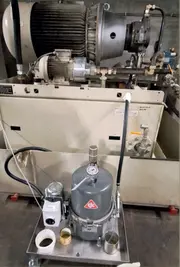
A CJC® Fluid Care System 27/27 was installed directly on the tank in an offline circuit. Varnish and other oil degradation products, as well as moisture and particles, were continuously removed 24/7. Oil analysis including varnish potential (MPC index) was implemented to ensure valid comparability under operating conditions.

Varnish potential minimized
The MPC value was reduced to 3.8 after installation, and dissolved and undissolved soft contaminants were reliably removed.

Reduced maintenance and fewer unplanned failures
Frequent filter changes and premature component overhaul were avoided.

Reliable function of valves and piston
Sticking of valves was eliminated and servo valve operation stabilized.

Extended oil service life
Improved oil cleanliness and oxidative stability supported avoidance of unnecessary oil changes.

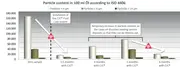
Measured oil condition development
Oil analyses demonstrated a clear improvement in oil condition. In the zero sample, the varnish potential (MPC value) was not measurable. After 1.5 months with the CJC® system installed, the MPC value was 55.3. After four months it was reduced to 3.4, and after five and six months it stabilised at 3.8.
Oil cleanliness improved from ISO 18/16/11 to ISO 15/13/10. The particle content greater than 4 µm was reduced from 165,001 to 17,596. Water content decreased from 140 ppm to values below 50 ppm. Oil analyses were carried out by Bureau Veritas and Oelcheck.
Results and operational impact
The CJC® Fluid Care System significantly improved and permanently stabilised oil condition. The MPC value was reduced to 3.8, particle content greater than 4 µm decreased by nearly 90%, and oil cleanliness improved to ISO 15/13/10, exceeding new oil and fulfilling the requirements for servo valve technology. Water content was maintained below 50 ppm, remaining well under the saturation limit.
Retrofitting all test benches with CJC® Fluid Care Systems improved machine availability, reduced operating costs, and supported sustainability objectives by avoiding unnecessary oil changes and premature component replacement. This ensures consistently high operating reliability, particularly in continuous 24/7 test cycles.
“Since we started using the CJC® system we have had no more problems with varnish. The sticky deposits in the oil system had previously caused valves to stick and pistons to jam. Now the issue of varnish is finally solved. We have fewer downtimes, lower maintenance costs and save ourselves the time-consuming cleaning of components. For us, the investment has definitely paid off.”
- Workshop foreman, Wolfgang Sattler
Let our experts help you
Get a tailored assessment of your oil condition
and keep your equipment running reliably
